Chance Driven Prize Systems That Add Depth To Player Experiences
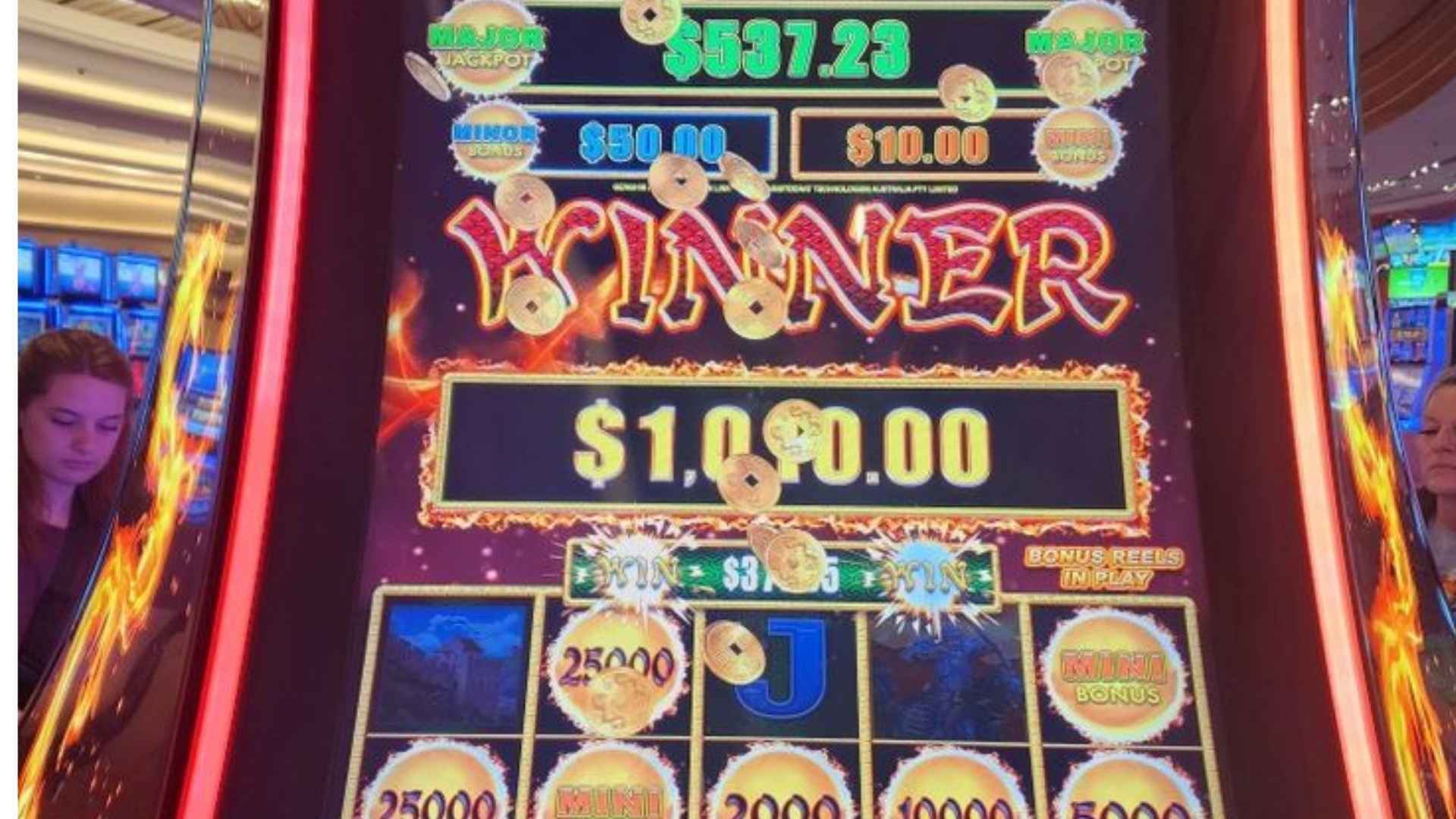
Modern game design frequently relies on unpredictable elements to elevate routine gameplay into captivating journeys. When developers integrate chance driven prize systems, they introduce a layer of strategic decision-making and heightened emotional engagement. This approach ensures that no two sessions feel identical, giving participants new reasons to stay invested over extended periods.
The Psychology Behind Unpredictable Rewards
Uncertainty naturally sharpens human focus and heightens anticipation during interactive tasks. When players are unsure of the exact reward they will receive, their brains experience a stronger sense of curiosity and excitement. This dynamic psychological response makes routine achievements feel far more memorable than predictable milestone payouts.
Furthermore, variable reward structures encourage exploration by reducing the monotony of repetitive tasks. Players often test new strategies or venture into unfamiliar game modes simply to see what surprise benefits might trigger. This ongoing curiosity helps build long-term attachment to the gaming environment.
Building Tactical Depth Through Probability
Integrating probability into reward distribution forces players to adapt their overall strategy rather than relying on fixed routines. Managing risk versus potential reward becomes a core skill, as players must evaluate whether to pursue high-variance opportunities or steady progression paths. This tactical consideration adds genuine complexity to standard game loops.
Dynamic incentive mechanics also create organic storytelling moments within gaming communities. Unexpected victories or rare prize drops give users compelling stories to share with peers. For broader coverage of sports and gaming developments, fans often follow m88 m the thao for updated insights. These shared experiences deepen the sense of community connection across different player bases.
Maintaining Balance Between Luck and Skill
While chance adds excitement, developers must carefully calibrate probability to preserve a sense of fairness. Over-reliance on pure randomness can make achievements feel unearned or lead to player fatigue when luck fails to align. Successful systems balance random prize mechanics with guaranteed threshold rewards to protect steady user effort.
By establishing clear safety nets, games ensure that dedicated players always feel their time is respected. Unexpected bonuses then function as pleasant surprises rather than mandatory hurdles. This harmony keeps the competitive environment healthy and rewarding for everyone involved.
The Future of Dynamic Reward Architecture
As interactive media evolves, reward distribution models are becoming increasingly sophisticated and personalized. Modern systems analyze play patterns in real time to offer balanced incentives tailored to individual engagement styles. This level of customization keeps challenges fresh without causing unnecessary player frustration.
Ultimately, chance driven prize systems serve as a cornerstone of modern engagement design. By blending psychological intrigue with strategic balance, creators foster immersive digital spaces that continuously captivate players over the long term.